
 By
By […] the fact that wait times in the airport are inevitable this holiday season, why not check out my list…
Estimated Read Time: 4 minutes
A few months ago, I had the unique privilege of speaking at the virtual Global Airport Development (GAD) Conference on the topic “Airport Planning in a Post-Pandemic World”. While prepping my speaking notes, I quickly recognized that a bold statement was needed, one that I hoped would spark discussion – as I hope it does now, especially as we look at and begin to plan for the future with an emphasis on safeguarding ourselves from future pandemics.
But before we get into my “controversial” statement, since the start of the pandemic, space has become a premium as health experts have pushed for increased physical distancing to curb the spread of the virus. For airports around the world, implementing adequate physical distancing measures has been quite difficult as airports weren’t designed to provide so much space per passenger (the International Air Transport Association’s (IATA) level of service standards for passengers average about 1 meter – 3 feet).
I began my contribution by stating, that in a post COVID world, operating an airport would require flexibility and creativity in an effort to restore passenger confidence quickly while ensuring that we continue to focus on maintaining (and increasing) capacity as passenger demand begins to recover. I further stated that as it relates to size of airports, not only would airports probably remain the same size, but with the help of technology and the implementation of new operations, they may get even smaller. A statement that was designed to get people talking, was met with utter silence and to this day, I’m not certain if it was due to the absurdity of my statement, or if people’s mics were simply muted. Bear with me while I take you through my logic and why I believe that creativity and flexibility will be key to managing airports of the future.
For starters, increasing the size of the terminals to allow for greater social distancing isn’t the most fiscally responsible option. Airport’s Council International (ACI) recent COVID-19 analysis showed that the industry lost more than $111 billion dollars last year and industry analysts don’t expect passenger demand to return to pre-pandemic levels until 2024 at the earliest. While it would allow for more space per passenger, airports would still be responsible for increased maintenance costs which ultimately, will lead to greater carbon emissions as a result of operating the terminal (lighting, heating, cooling the terminal). This is further exacerbated with the construction of new facilities as carbon is further generated by the manufacturing of the supplies, the transportation of the same and then during the actual construction process itself. While we may have solved one problem, we certainly created others, some with potentially grave consequences.
“Creativity and flexibility will be key to managing airports of the future.”
So what are the alternatives? Well, we have several options at our disposal and they’re not as outlandish as you may think. One thing that may be beneficial is decentralizing non-critical airport operations such as the check-in process. Before passengers head to the airport, they’d simply proceed to a kiosk at their hotel – or at a train/bus station and check in for their respective flight (of course the other options would remain to either check-in via their mobile device or at the airport). Passengers would also have the option to tag their luggage and have it sent ahead of their arrival at the airport, allowing them to enjoy their stay right up until they’d need to head to the airport. Once they arrive at the airport, they’d bypass the check-in hall completely and head to security. This could be especially beneficial at airports located in the Caribbean and in other leisure markets where passengers want to maximise as much time at their destination as possible.
By taking some of these processes off airport, we not only increase airport capacity but also wait times would be decreased significantly (when compared to conventional check-in processes), leading to higher levels of satisfaction for passengers. This is especially crucial for tourism driven economies and airports as this is typically the first and last touchpoint for visitors. But what about the dwell time – (for my non aviators, we measure the amount of time passengers wait in the terminal – the longer you wait, the more you tend to spend)? With passengers spending less time in the terminal, won’t this negatively impact concession revenues? Not necessarily. Again, we must force ourselves to get creative.
Amazon has become (and continues to be) one of the biggest disruptors in the world, providing basically anything your mind can conceive, to your doorstep within a few hours of your order. Passenger’s of today (and I suspect the future) are looking for higher and higher levels of personalization and convenience. As such, as airports we need to get more competitive and meet the needs of our passengers. One way we can do this is to allow passengers to order duty free items and souvenirs online ahead of their arrival at the airport and can choose to have the item delivered at their gate or to their final destination.
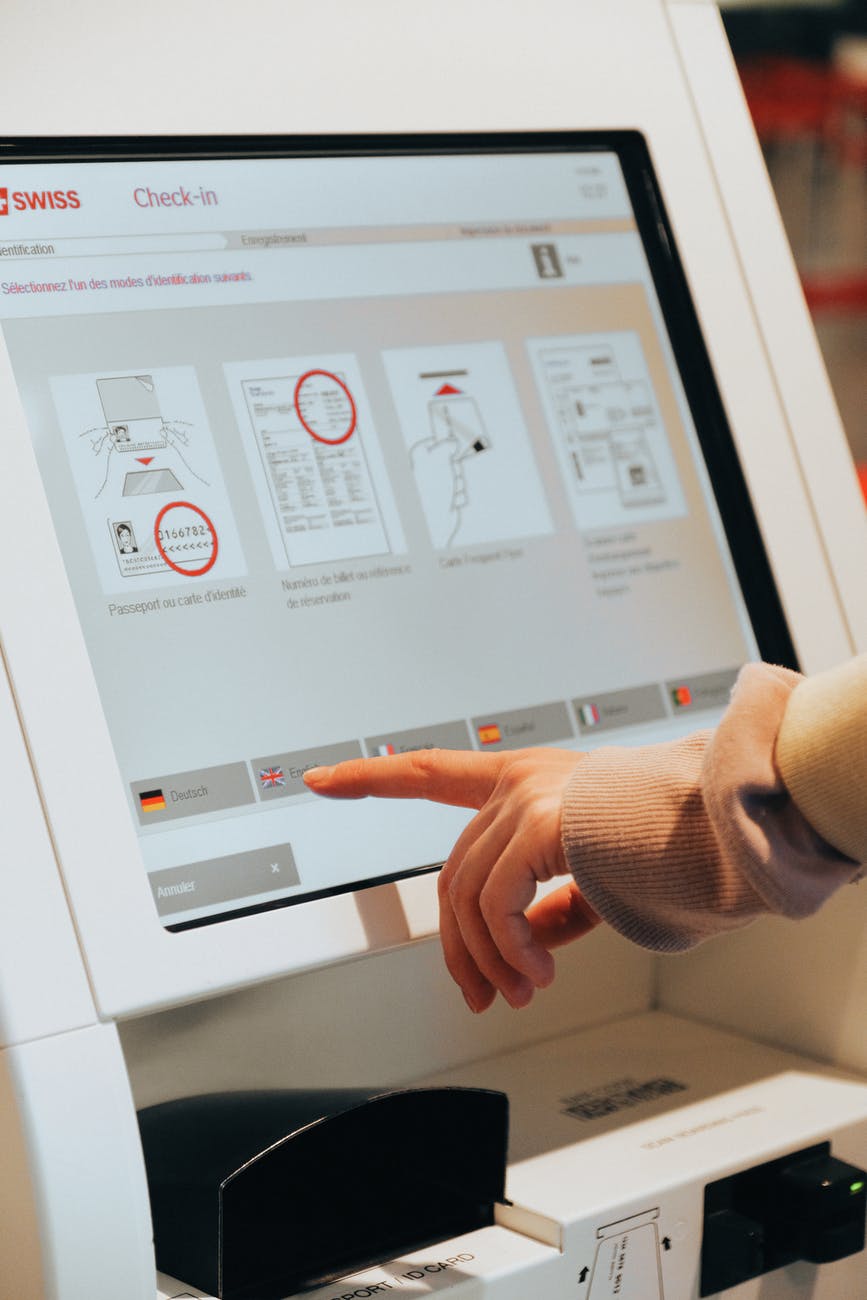
Lastly, technology will continue to be at the forefront in the airports of tomorrow. Self-service in our industry has taken off in the last several years (pun intended) and will continue into the future. However, while self-service will continue, it will look vastly different than it does now. Presently, passengers interact with check-in kiosks through touch but we’ve already seen the industry adapt to kiosks controlled by mobile devices removing the need for passengers to touch the screen. Not only will kiosks become touch-less, but passengers should also expect to see more “contactless” features during their journey, from biometrics (such as facial recognition) to commanding elevators with the wave of your hand.
Additionally, mobile applications like Grab or AtYourGate allow passengers to order and prepay for food from the safety (and comfort) of their mobile device and pick it up or have it delivered to their gate, allowing them to skip the long lines and save time. Applications like these not only have the ability to help with social distancing, but help to minimize physical interactions.
While implementing one of the options above wouldn’t lead to significant change, when combined, not only would it lead to greater terminal capacity, but it would also lead to greater social distancing, a reduction in physical touchpoints and would limit physical interaction between airport workers and passengers. All welcomed measures allowing us to not only restore passenger confidence quickly but would also help us to further safeguard our operations from future pandemics. I’ve always believed that as an industry, we are at our very best when our backs are against the wall. As industry experts and passengers, what would you like to see in airports in post pandemic world?

[…] crisis in a matter of weeks. This can be attributed to travellers not adhering to travel protocols, pandemic fatigue…
[…] in a previous post where we discussed that creativity and flexibility will be key to managing airport’s of the…
[…] released discussing the pent up demand for leisure travel. This can be largely attributed to pandemic fatigue as we…
The airport has changed to be a real mordern efficient place that looks inviting for visitors. It is just a…




 Terminal Talks
1 comments on “What Will Airports Look Like in A Post COVID World?”