
 By
By 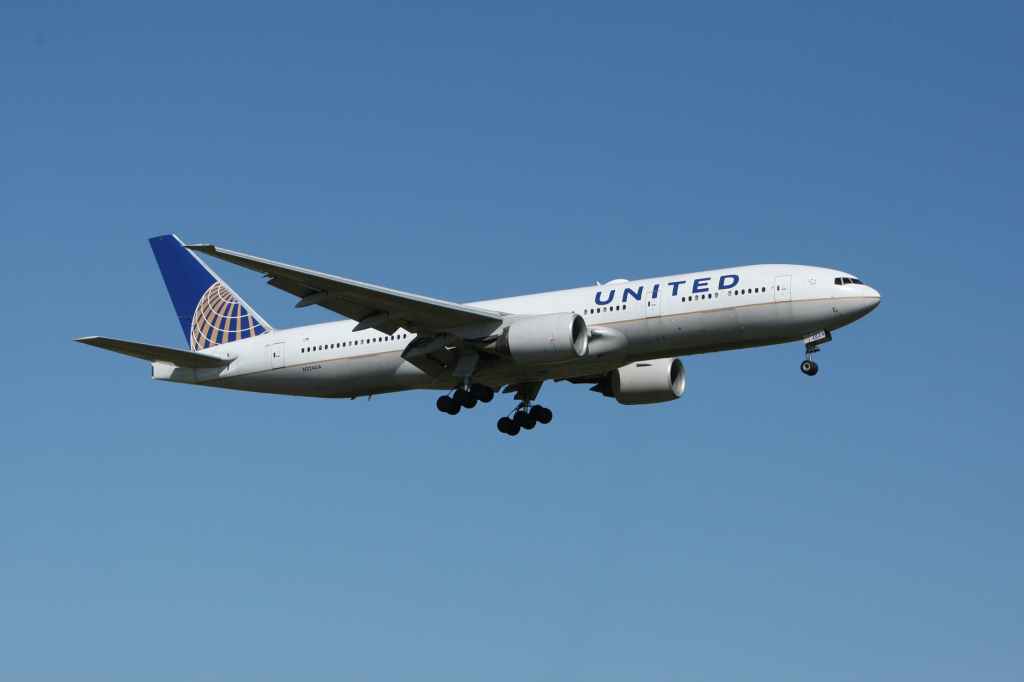
Estimated reading time: 5 minutes
Please be sure to follow us on Facebook, Twitter and LinkedIn for the latest news.
Yesterday, a United Airlines Boeing 777 (Flight #328) suffered an engine failure (which led to separation of the inlet) just after takeoff from Denver International Airport enroute to Hawaii and had to return immediately landing safely on Runway 26R. There were numerous reports of debris and objects falling from the sky in residential areas neighbouring the airport. Luckily, there were no reports of injuries on the ground or on the aircraft.
While certainly a scary experience for those on board, the pilots onboard are trained to deal with these exact sort of emergencies and did a fantastic job. This is also a good opportunity to show the level of cooperation and collaboration between all airport partners (the airline, Air Traffic Control, the Airport etc.) to ensure a safe outcome and as such, using the video above, we will break down what is likely occurring at the airport at various time stamps. It should be noted that emergency response activities will vary from airport to airport and this represents general emergency response activities.
From 0:00 to 1:00 the flight is proceeding as normal with normal interactions between the aircraft and air traffic control. The pilots are told to climb to 23,000 ft. and told to fly direct to a waypoint (A waypoint is a specified geographical location used to define an area navigation route or the flight path of an aircraft employing area navigation – in this case ZIMMER). The pilots are also provided a PIREP (Pilot Report – which is a report provided by another pilot of the actual weather conditions encountered by a preceding aircraft in flight) are also warned of moderate turbulence between 14,000 and 22,000 ft. and at this point, they’d most likely continue to keep passengers and flight attendants seated until passing this area.
At 1:01 through 1:11 we get our first sign of trouble. With the pilot about to talk to ATC, we can hear an audible bell in the background chirping. This particular sound we hear is the Engine Fire warning and this provides an aural warning to the pilots to alert them to the fact that there is an issue that needs to be addressed immediately and to bring their attention to the problem. It should be noted that at this time, there is a lot happening in the cockpit and the workload has increased tremendously. In addition to assessing the situation, the pilots are working through checklists, addressing the issue by working through all the checklist items, flying the airplane and still communicating with ATC. The pilots let the controller know that they have experienced an engine failure.
At 1:15 to 2:12, the pilots give the international distress signal “Mayday, Mayday, Mayday” and alerts the controller to the fact that the aircraft is in a potentially life threatening situation and that help is needed. Additionally, by declaring an emergency a few other things occurs:
- Priority is given to the emergency aircraft.
- Distress communications have absolute priority over all other communications, and the word MAYDAY commands radio silence on the frequency in use.
- Allows the pilots to deviate from Federal Aviation Regulations as necessary to meet the needs of the emergency.
- Controllers add an EM to the flight on their radar so that they can easily identify the aircraft in distress – this helps in busy airspace such as Denver where there are tons of aircraft in flight at any given time. This occurs at 2:44 seconds in the YouTube video.
Once ATC realized that the aircraft was in an emergency situation, the controller immediately asks the pilots whether they’d like a left or right turn to the airport and while it does not seem like a very important question – it is. Due to the engine failure, pilots would want to turn into the good engine to ensure that they don’t experience any controllability issues as a result of asymmetric thrust. Given that the right engine has failed and the left engine is working, the pilots of UA328 wanted left hand turns to continue turning into the good engine. ATC advises the pilots to descend and offer the pilots Runway 7 if they’d like to land immediately however the pilots decline as they are still in the process of running the checklists.
Simultaneously, ATC has begun to alert the various response agencies of the emergency in progress which would include first responders: Aircraft Rescue and Firefighting, Emergency Medical Services, law enforcement, the Airport operator etc. At 2:28, ATC asks the pilots to identify how many souls and fuel is onboard the aircraft and this is critical information as this helps to plan the initial response (how many EMS vehicles are needed etc.). Additionally, at this time, the pilots would typically provide any other pertinent information such as if they’re carrying any hazardous materials as based on this information, the response agencies will have different response protocols. While they don’t have much information yet (which runway they’ll land on/number of souls on board), they begin to mobilize ensuring that they’ll be in place once the aircraft lands to offer immediate assistance as necessary. ATC may also suspend flight operations at the airport based on the number of runways available and the nature of the emergency – at DIA, they may have done this until they knew exactly which runway the flight was going to land on.
Additionally, the airport at this time would have initiated it’s Emergency Operation’s Center which would focus on the emergency at hand. The EOC provides strategic coordination during major emergencies and disruptive events and is there to support the On Scene Incident Command Team with information and to assist with providing resources. The team is comprised of representatives from various airport partners inclusive of ARFF, ATC, Airline representative(s), airport operator etc.
From 2:30 until about 3:30, ATC continues to provide help as necessary to the pilots of UA328 offering the pilots any runway they’d like at DIA or delay vectors to continue to run checklists. At 3:45, UA328 indicates that they’re ready to begin the approach and to return to the field and ATC gives them their approach instructions. If you’d note, this controller (who’s actually a departure controller and would typically only handle flights that just took off) has stayed with this flight since the pilots checked in and this was done again to lessen the workload on the pilots – who as we can all imagine, are already quite busy. Only as they get closer to the airport are the switched over to Tower frequency who clears them to land at 4:18. At this point, all of the emergency vehicles are standing by as confirmed by the tower which would include the firefighting vehicles and operations vehicles. These vehicles are strategically placed along the runway to ensure that they can quickly respond to the flight as needed. ATC also provides a frequency to allow the first response agencies the ability to speak directly with the pilots and this is important for several reasons:
- Ensures the safety of first responders – that they can safely approach the aircraft and to ensure that the engines have stopped (or are at idle thrust) or that the parking brake has been applied.
- First responders can provide important information to the flight crew in this case – on the status of the engine (whether there is a fire) and if there is a need to evacuate the aircraft, which side is the safest to do so.
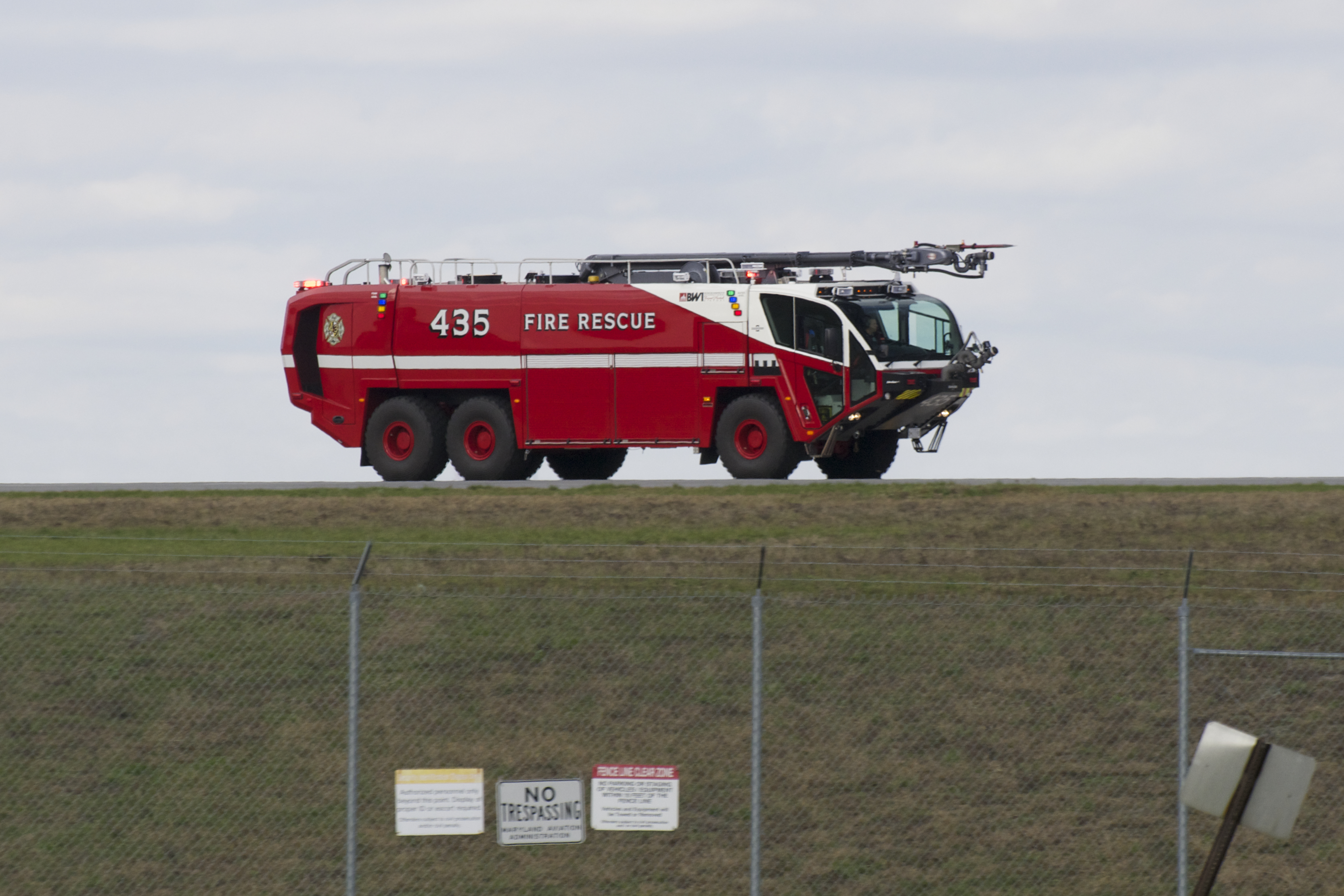
Once the aircraft has landed, while the recording has stopped, the work has just begun. This runway would have been closed and ATC would have resumed operations on the other runways (assuming that they would have been stopped). Once the aircraft has been secured, the business resumption activities would then begin. The aircraft (in this case) was towed off of the runway to a remote parking spot and the passengers were bussed to the terminal. Simultaneously, DIA Operations staff would conduct safety checks of the runway to ensure that all debris would be removed prior to placing the runway back in service while the airline would be busy rebooking passengers as necessary to get them back on their way.
As evidenced by the various responses above, you can see that this is quite the collaborative effort. Even the most minor details can have a large impact on the overall outcome of the event. Airports in line with it’s partners continue to train for these very events through tabletop exercises (where partners sit around the table and discuss response activities) and are mandated to hold full-scale exercises (which are designed to come as close to real disaster response as possible) all with the overall goal of ensuring that responses to these events will be timely, adequate and appropriate to reduce the chances of loss of life. As an industry, while we hope and pray for great days, we are certainly prepared for the worst ones.



 Terminal Talks