
 By
By 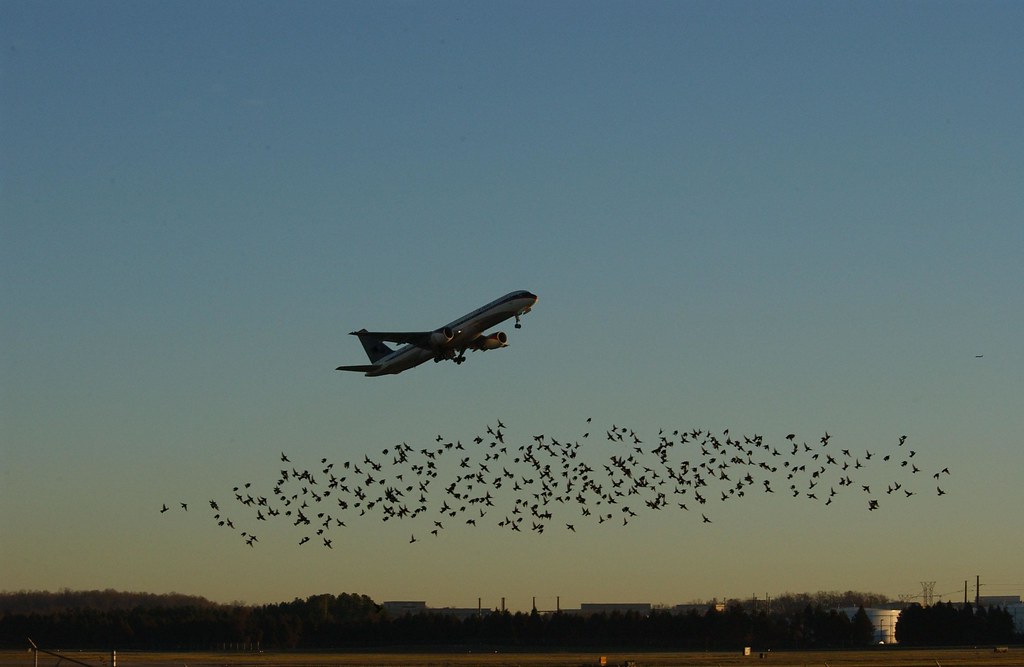
Estimated reading time: 4 minutes
Please be sure to follow us on Facebook, Twitter and LinkedIn for the latest news.
As I write this, I can hear the rhythmic pitter patter of the rain falling outside which serves as a reminder that we are now entering into the rainy summer season. For many airports throughout the Caribbean (and in other parts of Latin and North America), due to increased flight activity (as a result of summer travel) and increased wildlife activity (due to migratory patterns) the risk for wildlife strikes (in particular bird strikes) increases when compared to other months and airports must employ a variety of mitigation practices to ensure the safety of aircraft operators and the traveling public.
Bird strikes have been a threat to aviation safety from the start with the Wright Brothers having experienced bird strikes as early as 1905. Wildlife strikes can occur at any phase of flight but the majority of strikes occur on takeoff or landing which is considered the two most critical phases of flight. Additionally, wildlife strikes cost the industry more than $1.2 billion a year in direct and indirect costs such as maintenance costs, passenger rebooking fees, fuel etc. Data from the Federal Aviation Administration shows that bird strikes occur more than 40 times a day.
With highly publicised bird strike events such as US Airways 1549 which famously crash landed in the Hudson River which hit a flock of Canada geese after takeoff from La Guardia, airport operators are keenly aware of the importance of having a sound wildlife management plan and practices. The number of strikes being reported continues to increase and this is as a result of an increased number of flights (prior to the COVID-19 pandemic), quieter aircraft and better reporting tools. So what can airports do to reduce the risks of wildlife strikes?
Use Past Data to Make Informed Decisions
The saying that the past is typically a good indicator of the future couldn’t be more true to the conversation we are having today. Prior to entering peak wildlife activity periods, the Airside Operations team should be reviewing wildlife activity/strike data from past seasons to identify strike trends, problem species, frequented locations etc. Based on this data, the Ops team can then actively plan for the upcoming wildlife season through the use of different mitigation strategies employing strategies that proved effective in the past.
Use Multiple Mitigation Strategies To Have The Greatest Effect
Speaking of mitigation strategies, think of controlling wildlife activity as a Rubik’s cube that constantly fights back. Wildlife, in particular birds, are extremely smart animals and can quickly acclimate to certain mitigation strategies such as visual deterrents and even sound deterrents, especially if they appear in the same areas or occur with the same frequency. To ensure maximum effectiveness, a variety of strategies should be implemented which may include:
- Habitat Modification (Grass cutting, removal of food, water and shelter sources)
- Repelling/Harassment Techniques (use of various audio/visual/chemical repellants)
- Population Management (use of culling to reduce or eliminate certain wildlife species that pose a significant hazard to wildlife).
- Collaboration with Air Traffic Services and Aircraft operators to provide timely information regarding wildlife activity either in real time or via Notice To Airmen (NOTAMs) alerting aircraft operators to increased wildlife activity in the vicinity of the airport. This can help pilots to make decisions as to whether they should delay operating the aircraft or to exercise extreme caution.
Airport operators have also utilized other wildlife such as predatory birds (falcons) and dogs to assist with dispersal of wildlife and have even began using Unmanned Aerial Systems (UAS).
Data and Record Retention is Key to Overall Management of Your Wildlife Plan

Airside Operations teams should also continue to monitor the effectiveness of the wildlife plan to ensure that the desired results are achieved. This includes capturing data (and maintaining records) through:
- Daily log of Wildlife Activity paying particular attention to:
- Date and Time wildlife was observed
- Location of wildlife
- Species of wildlife and approximate number
- Control actions taken in response to the wildlife.
- Maintaining records of wildlife strikes;
- Records of any preventive management actions taken by the airport operator (traps, culling etc.)
Consistent monitoring and maintenance of records is absolutely critical to the overall management of the wildlife plan. Without keeping accurate records, it is extremely difficult to determine the effectiveness of the program and should there be an aircraft accident involving a wildlife strike, these records are proof that the airport was doing everything within its power to actively manage the wildlife in and around the airport.
Wildlife management at airports is not an exact science and requires constant oversight and innovation to mitigate the risk of wildlife strikes. In addition to the items listed above, please see the resources below which may assist airport operators in their fight against wildlife activity at their airports from the FAA and from the Transportation Research Board – which is an amazing tool that I highly recommend. What are you doing at your airport to help reduce wildlife at your airport? Let us know in the comments section below.
FAA Podcast: The Air Up There – Flora, Fauna and Flight





 Terminal Talks