
 By
By 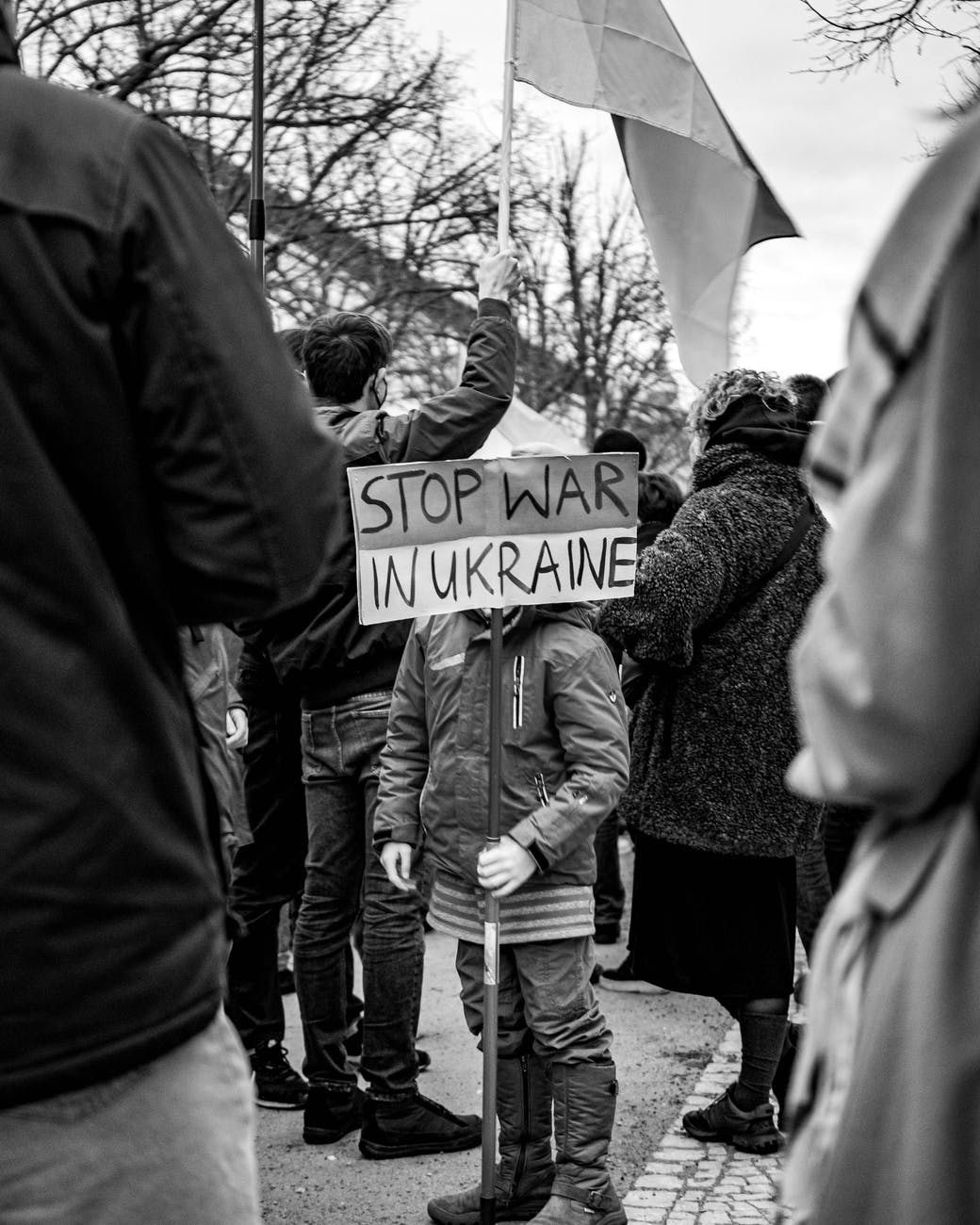
Please be sure to follow us on Facebook, Twitter and LinkedIn for the latest news and please don’t forget to subscribe!
Update: March 28th, 2022 – An earlier version of this post indicated that Aeroflot had postponed international flying indefinitely. Aeroflot has since launched international routes from Sochi, Russia expected to begin in early April to several countries including Egypt, Israel, Turkey, Armenia, Kazakstan and Uzbekistan utilizing the Sukhoi Super 100 (Russian built airliner).
Benjamin Franklin once said, “I hope peace will be lasting, and that mankind will at length, as they call themselves reasonable creatures, have reason and sense enough to settle their differences without cutting throats: for in my opinion, there never was a good war, or a bad peace.” That last line resonates as the world continues to see the devastating images out of various parts of Ukraine as Russia continues its “special military operation”. Since the start of the war thirty one days ago, countless lives have been lost in senseless and indiscriminate bombings/shelling and the situation on the ground has quickly become a humanitarian crisis. Hundreds of thousands of people are left displaced with no food/shelter and have left Ukraine for neighbouring countries. The Russia Ukraine war is also having an impact on aviation and in this article, we will look at the impacts the war is having on our industry.
Impact on Climate
With the situation rapidly deteriorating in Ukraine, on February 24th, Ukraine closed its airspace to all civilian flights once Russian military action began citing a high risk to flight safety due to use of weapons and equipment. In response to Russia’s invasion of Ukraine, NATO allies and the West imposed various sanctions on Russia including airspace bans on “all aircraft owned, certified, operated, registered, chartered, leased, or controlled by, for, or for the benefit of, a person who is a citizen of Russia.” Not to be outdone, Russia soon reciprocated, banning all countries where their aircraft were banned. While this tit for tat may seem like geopolitical posturing, the impact on aviation was immediate.
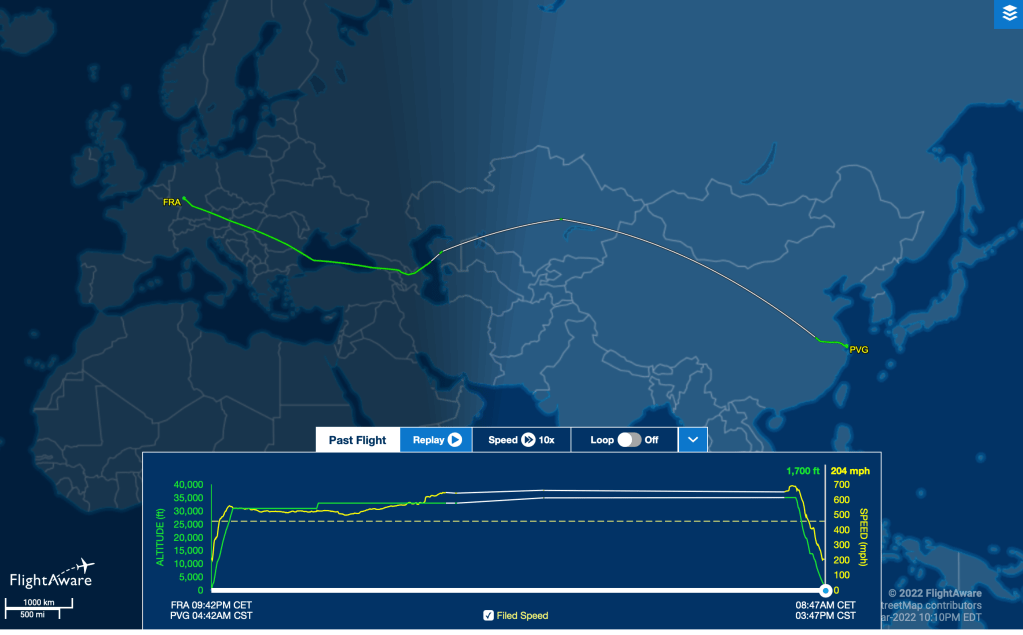
Russia is the largest country in the world representing 11% of the world’s landmass and typically, flights from Europe heading east to Asia as well as flights from the United States heading west to Asia would overfly Russian airspace. With these airlines being banned, this closure of airspace has led to longer flight times, increased fuel burn and more carbon emissions as a result. European carriers are feeling this even more – for example, Lufthansa’s flight from Frankfurt to Shanghai would typically involve overflying Russian airspace however with the ban in effect, the circuitous route adds an additional 763 miles longer than before the restriction and adds over an hour more of flying time to the flight. As a result, the airlines are required to carry more fuel which further impacts the airlines’ ability to recover after what has already been a detrimental two years as a result of the COVID-19 pandemic.
Higher Fuel Costs
Russia’s economy is largely dependent on the sale of gasoline with Russia supplying roughly 10% of the global oil supply. With the sanctions placed on Russia’s energy sector, this has lead to higher fuel prices which comes at a time when supply chains are already stressed in addition to our current high inflationary environment. Coupled with longer flight times and the need for the airlines to carry more fuel due to the airspace restrictions, and this can further impact the airlines’ bottom line. It remains to be seen what impact this will have on the airlines as most hedge their fuel (i.e. making a commitment to buy a certain amount of fuel at a predetermined rate) for this very reason to reduce the impact of cyclical oil prices however, the longer this war continues, the greater the likelihood that fuel prices will impact the airlines.
Turbulent Times Ahead for Russian Airlines
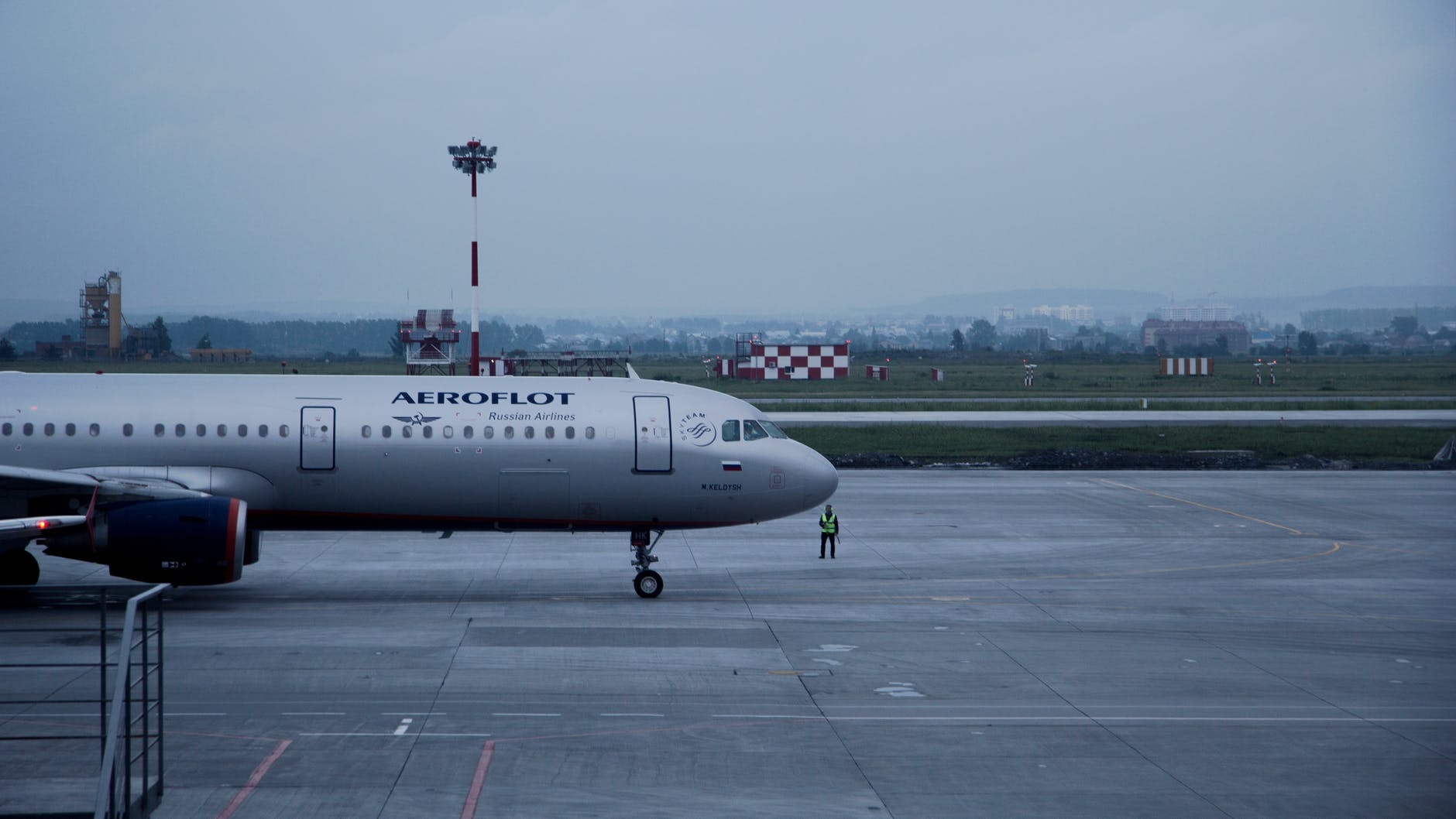
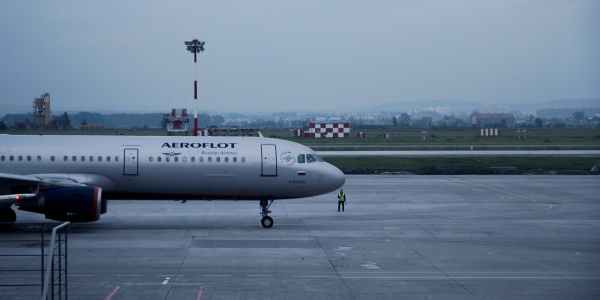
While the initial focus has been on western airlines, with the sanctions imposed, Russian airlines have been banned from entering the airspace of a number of countries and thus, the two largest carriers (Aeroflot and S7) have both suspended international flying indefinitely. More concerning however is the fact that these airlines lease a large number of their aircraft (approximately 515 aircraft) from Airbus and Boeing and with the current sanctions in place, leasing companies have until March 28th to recover these aircraft. It is highly unlikely that the lessors will recover these aircraft with many of them currently in Russia.
While this move would allow the aircraft to remain within Russia and operate domestically, of greater concern is the safety of these aircraft. The imposed sanctions also remove the ability of Airbus and Boeing as well as engine manufacturers to provide spare parts and service support. This may result in some aircraft being scrapped for spare parts to service the other operational aircraft or production of third party parts which again raises safety concerns.
Less Connectivity and Increased Ticket Prices
Our once globally connected world is well – a little less than now. With Russian airlines unable to fly internationally and with a number of airlines banned from entering Russian airspace, getting to/from Russia is a lot more difficult now. While there were previously direct flights connecting Russia to other parts of Europe, what was once a four hour flight is now at minimum a ten hour journey that involves a stop in another country such as Turkey. There are other countries that passengers can connect however the travel time only increases such as flying through China or Dubai. Due to the increased travel time and flights, the cost of ticket prices to and from Russia has also increased.
Increased Competition
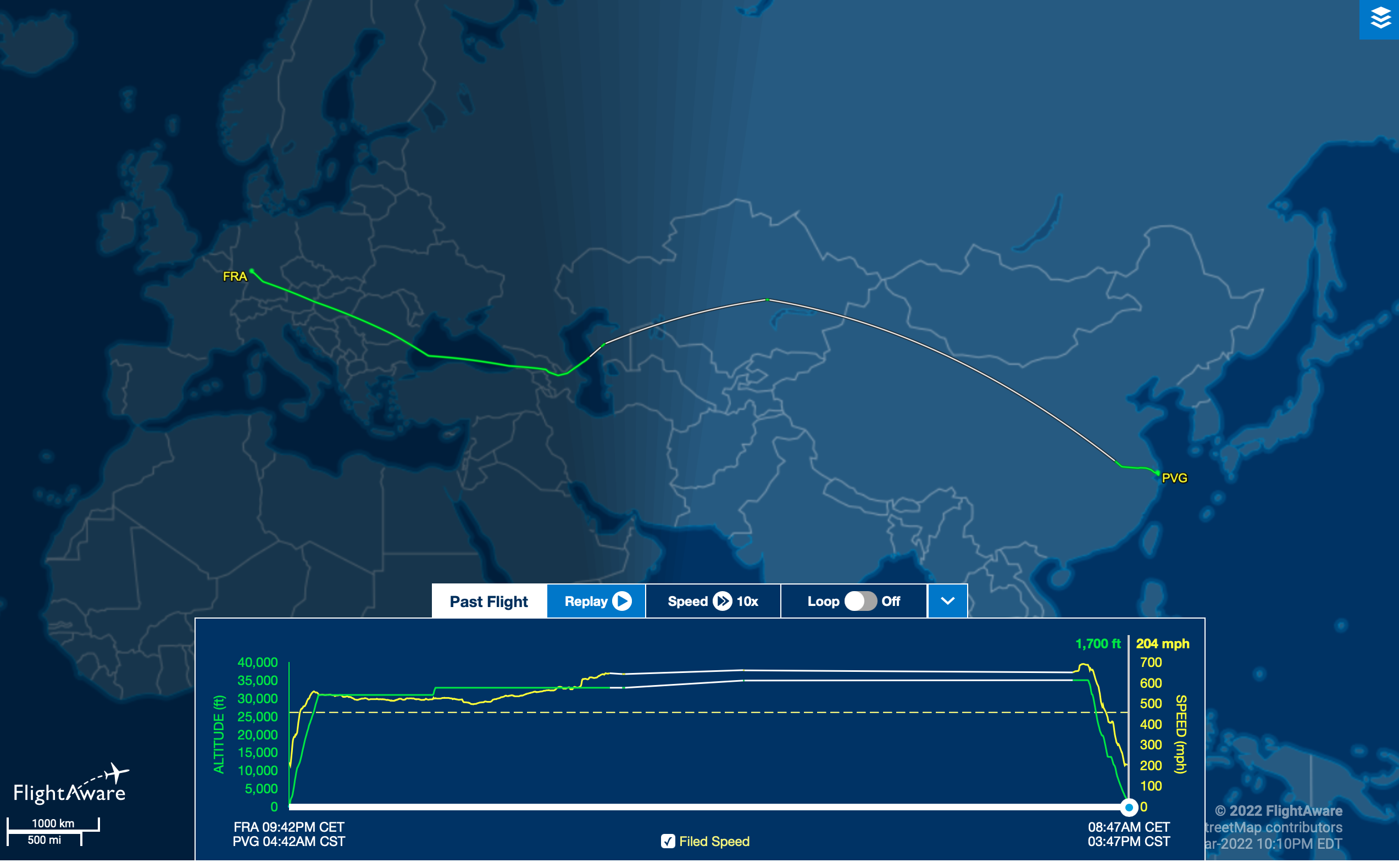
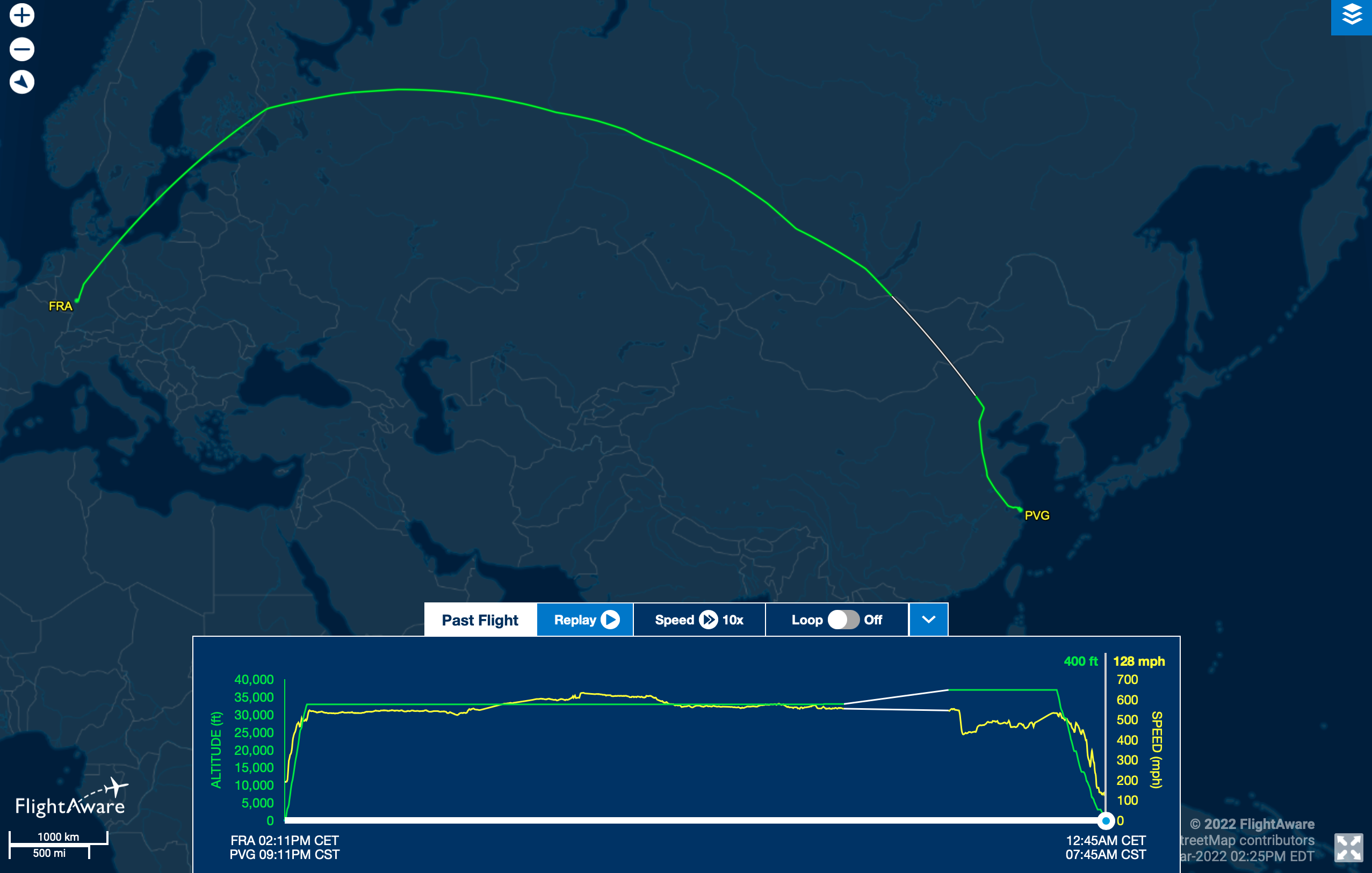
With some airlines having to circumvent Russian airspace as a result of the various sanctions, there are other carriers that continue to utilize Russian airspace such as some Asian/Indian carriers which may provide them with a competitive advantage. Referring to our example earlier, while the Lufthansa flight took the scenic route to Shanghai, China Eastern (who can continue to utilize Russian airspace) performed the same flight and took an hour less when compared to the Lufthansa flight saving on fuel and maintenance costs. Where other airlines may increase ticket prices to offset the increased costs, China Eastern can maintain their existing price structure and as a result, this allows them to potentially achieve greater market share.
Titanium Supply Woes
In addition to being one of the largest suppliers of oil, Russia is also one of the largest suppliers of titanium (Russia is home to the largest producer of titanium in the world). Titanium is used in the manufacturing of aircraft due to its lightweight, its strength and its ability to handle high temperatures which makes it a perfect material for jet engines and aircraft landing gear assemblies among other uses. It is particularly used in composite aircraft such as the Boeing 787 and the Airbus A350 (both Boeing and Airbus’ flagships) due to the fact that is less likely to cause galvanic corrosion. While airline manufacturers are likely to have some stockpiles due to decreased production as a result of the COVID-19 pandemic, it remains to be seen how long these stockpiles will last and these manufacturer’s ability to find other titanium producers in the quantities needed. In the event that they are unable, airlines can expect longer lead times for new aircraft arrivals further impacting schedules and their ability to service new routes as we currently are seeing with American Airlines and Boeings backlog on the 787.
What Impact Will the War Have on Caribbean Aviation?
While the Caribbean is thousands of miles away from the war in Ukraine, we are not impervious to the challenges mentioned above, particularly as it relates to the cost of fuel which tends to be higher when compared to other parts of the world. The Caribbean has seen a strong recovery since the onset of the COVID-19 pandemic however, the region is watching the war in Ukraine closely particularly to see how involved other countries become. The region typically benefits from travellers from the United States and Western Europe and should these countries become involved, it could lead to depressed demand as citizens may no longer feel safe travelling internationally. Additionally, soaring fuel prices combined with already high levels of inflation coupled with increased airline tickets could lead to less discretionary income available for prospective travellers which in turn could lead to less tourism for our region. It is still too early to tell but the region is watching with bated breath.
Despite all the challenges and uncertainty facing the industry as a result of this war/conflict, we certainly hope and pray that the senseless violence will stop and that peace will prevail.


 Terminal Talks